Fausts Enduring Influence
“We are each our own Devil, and we make this world our hell”
-Oscar Wilde

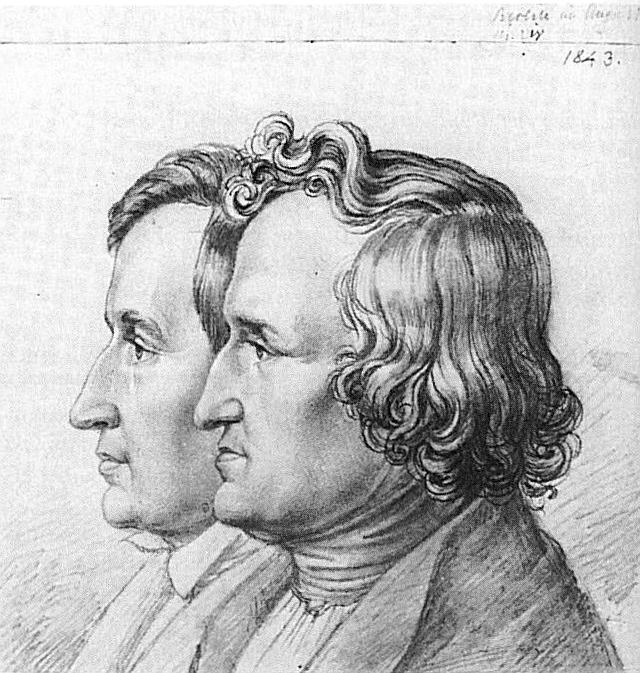
The Faust story is deeply embedded in the very fabric of the western imagination, and it’s origins and themes are recognisable in many folk tales. One of the oldest of these is a story known as ‘The Smith and The devil’ The best known version of this comes from the brothers Grimm collection, however the original version has been estimated to be several thousand years old, and has been retold throughout the centuries in many different forms.
The story tells of a blacksmith who sells his soul to the devil in exchange for the supernatural ability to weld any chosen materials together. The Devil agrees grant him this power, but gives the blacksmith seven years before he will return to claim his soul. However, the blacksmith manages to outwit and trap the devil using his supernatural abilities, and does not release him until the devil renounces the bargain. The Polish folktale ‘Pan Twardowski’ and the Appalachian folktale ‘Wicked John and the Devil’ are variations on similar themes that likely evolved out of this original story. The most recent re telling is the 2017 fantasy horror film ‘Errementari’ directed by Paul Urkijo, which is based on a Basque folk tale version.
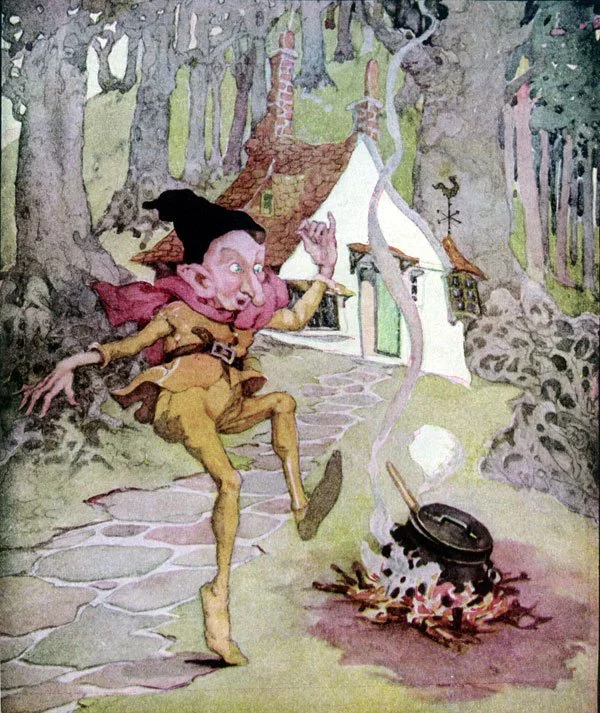
The theme of a dangerous bargain with the supernatural, is also prevalent in the folk tale The little mermaid, where the mermaid makes a pact with a Sea Witch, trading her voice and risking her soul for the chance to be transformed into human form, and the possibility of love with a mortal man. In addition to this, folk tales such as The Pied Piper, Rumpelstiltskin, and the Red shoes all explore the theme of a supernatural bargain that has potentially malevolent consequences.
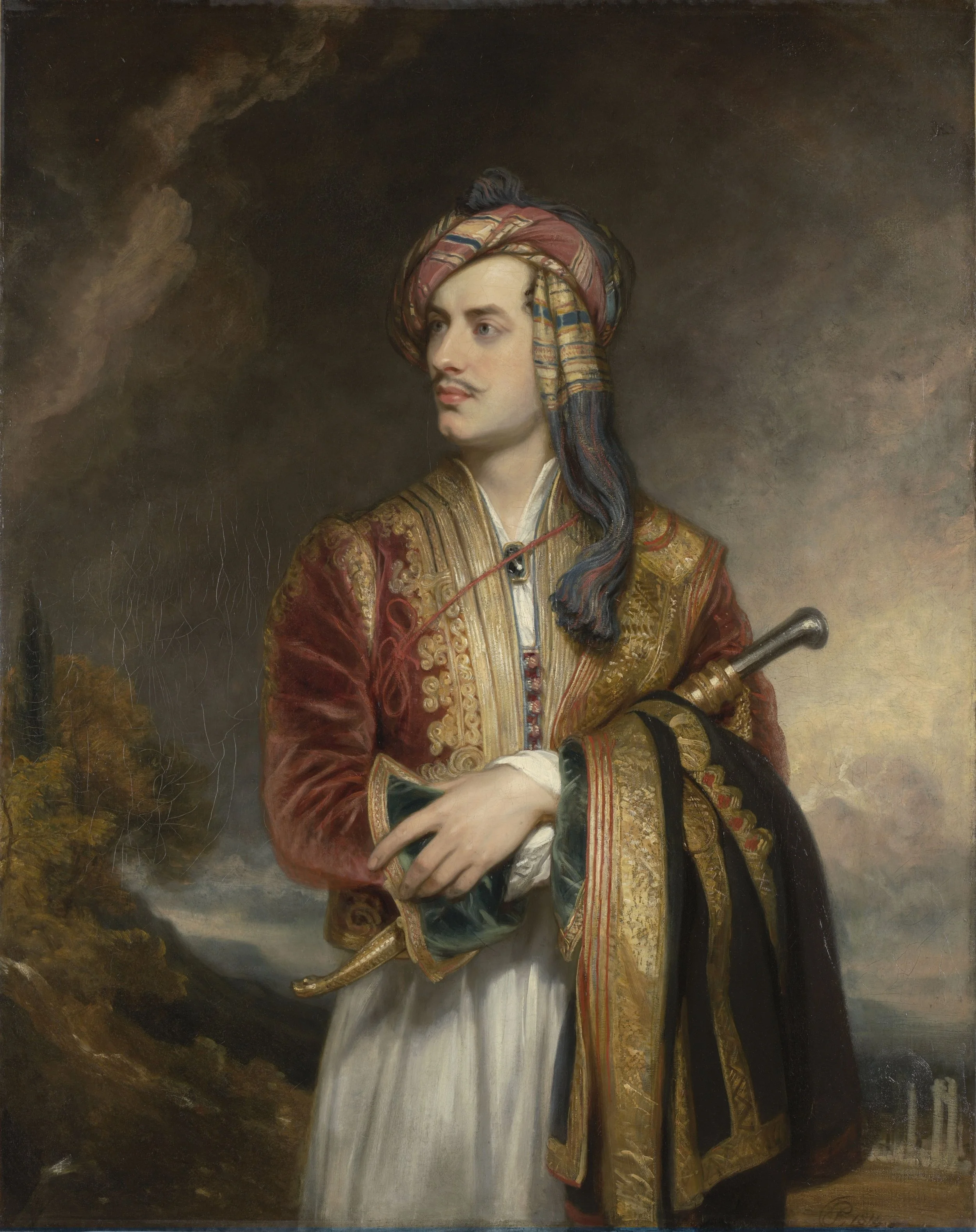
In the modern era, the Faust myth has inspired many of the great creative minds of the 19th and 20th centuries. In Britain, Goethe was admired by the Romantic poets, who were highly influenced by German culture, and the Faustian myth fitted well with romantic sensibilities. Byrons poem ‘Manfred’ is clearly partly inspired by Goethe’s Faust. Manfred is the archetypal ‘Byronic hero’, an aristocratic nobleman and occultist, brooding and grief stricken, who lives in the mountains, defiant of authority both human and divine, and who ultimately dies unrepentant.
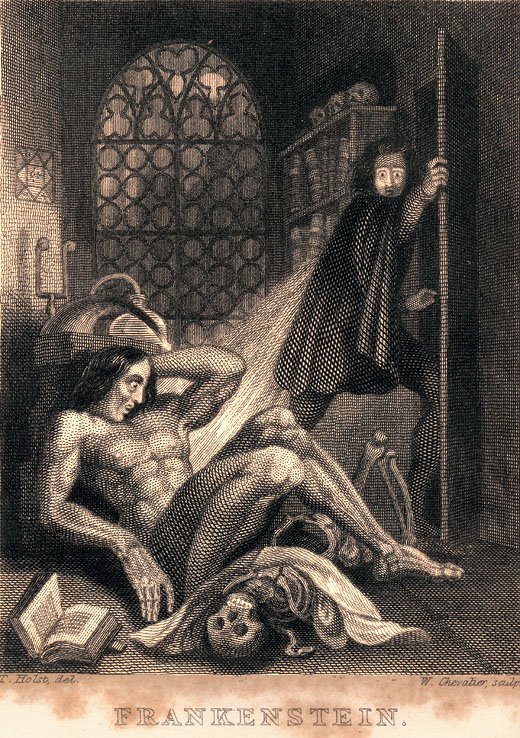
Mary Shelley’s novel Frankenstein also explores many faustian themes- Victor Frankenstein is a man experimenting at the outer limits like Faust, defying god and exploring dangerous knowledge by creating a human being through the use of science. But the novel warns that unchecked scientific progress may be something of a ‘Faustian' bargain. Victor Frankenstein, in the end, by trying to play god, has unleashed a monster he is unable to control.
Both Frankenstein and Goethe’s Faust were in many ways prophetic, when we contemplate the double edged sword of The Enlightenment, laying the foundation for the industrial revolution and the modern technological society it created. This has been apparent throughout the 20th and 21 first century, particularly when we consider the perils and terrors of the nuclear age, the recent financial crisis, and the increasing existential threat of climate change, which may now potentially threaten the survival of humanity itself.
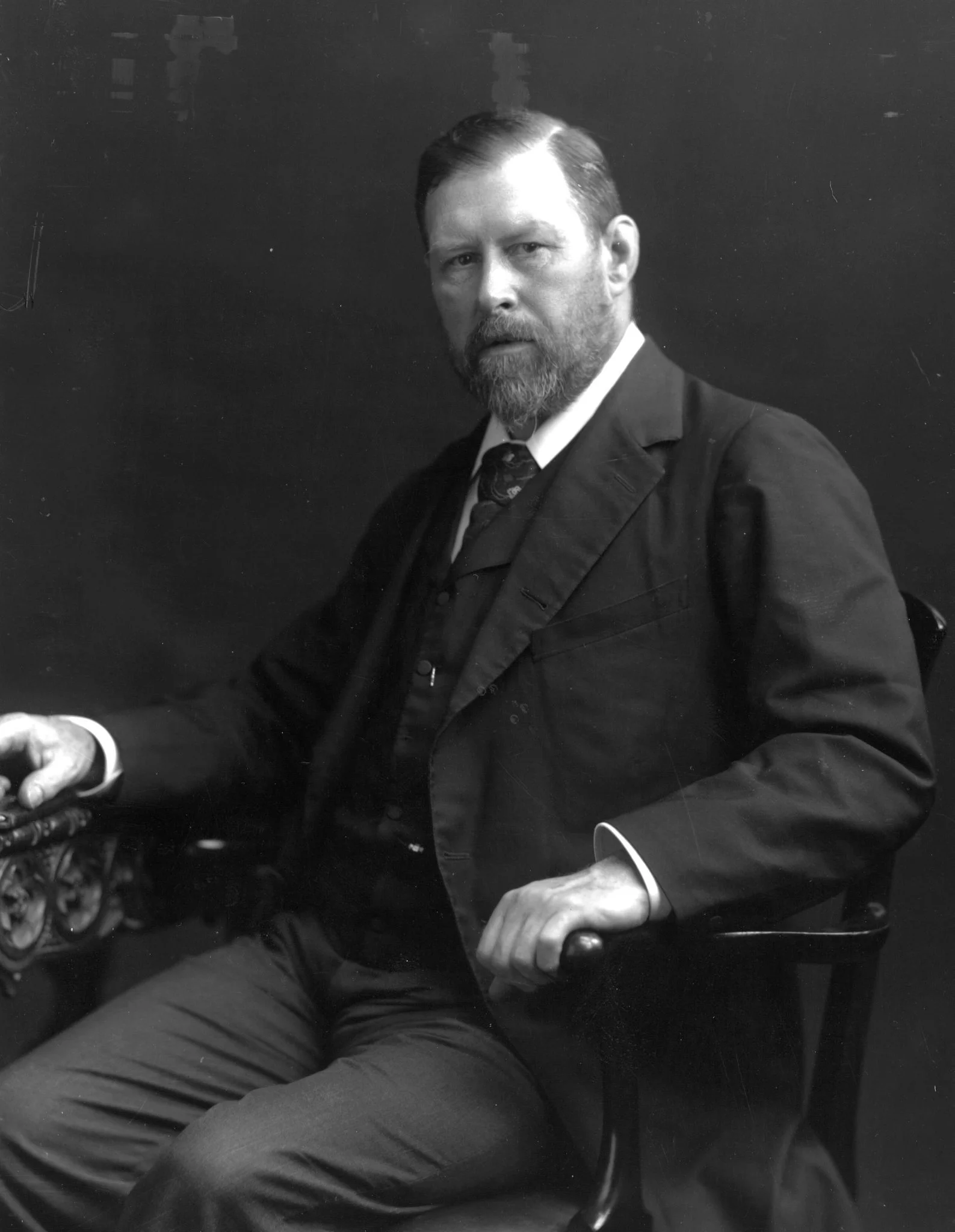
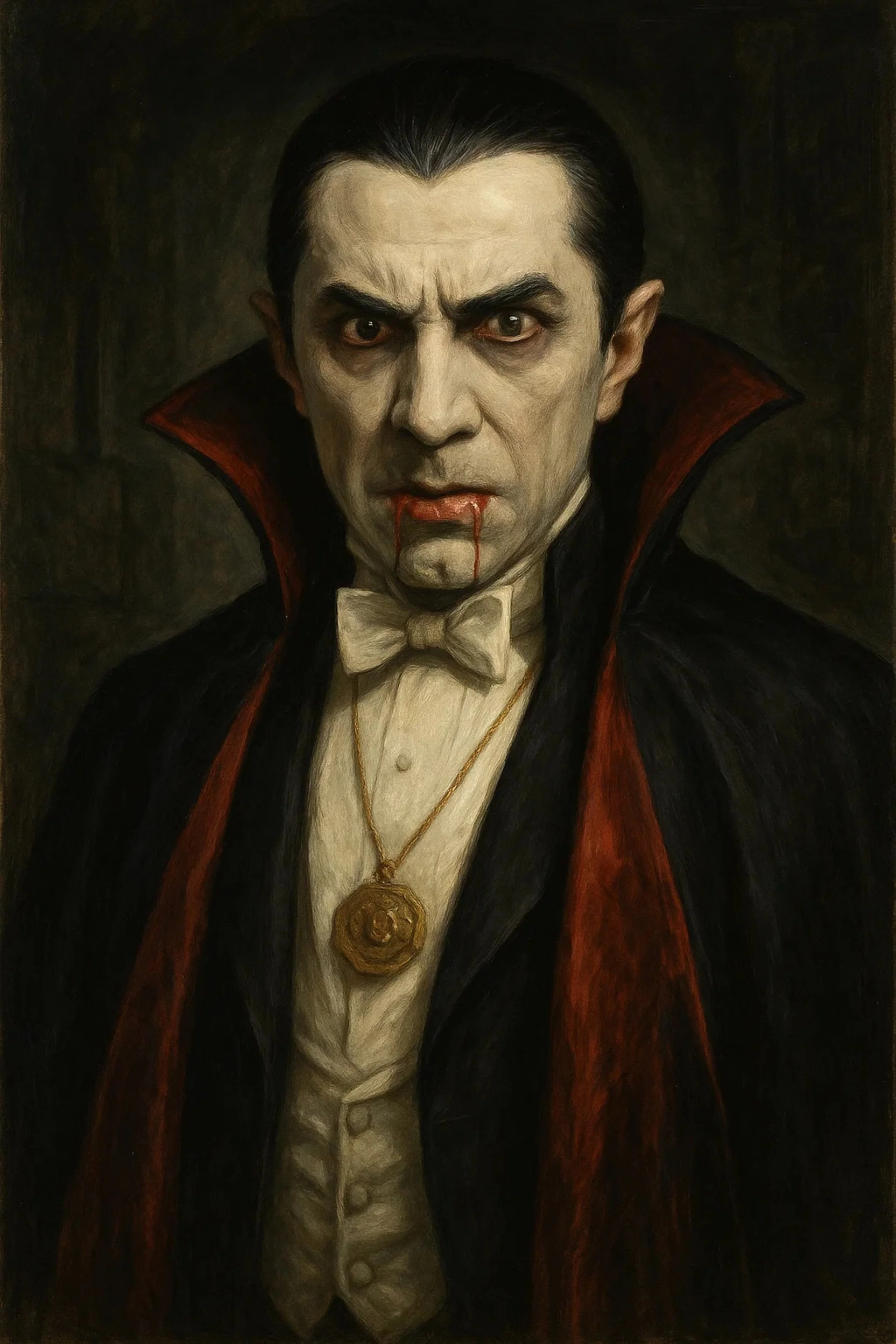
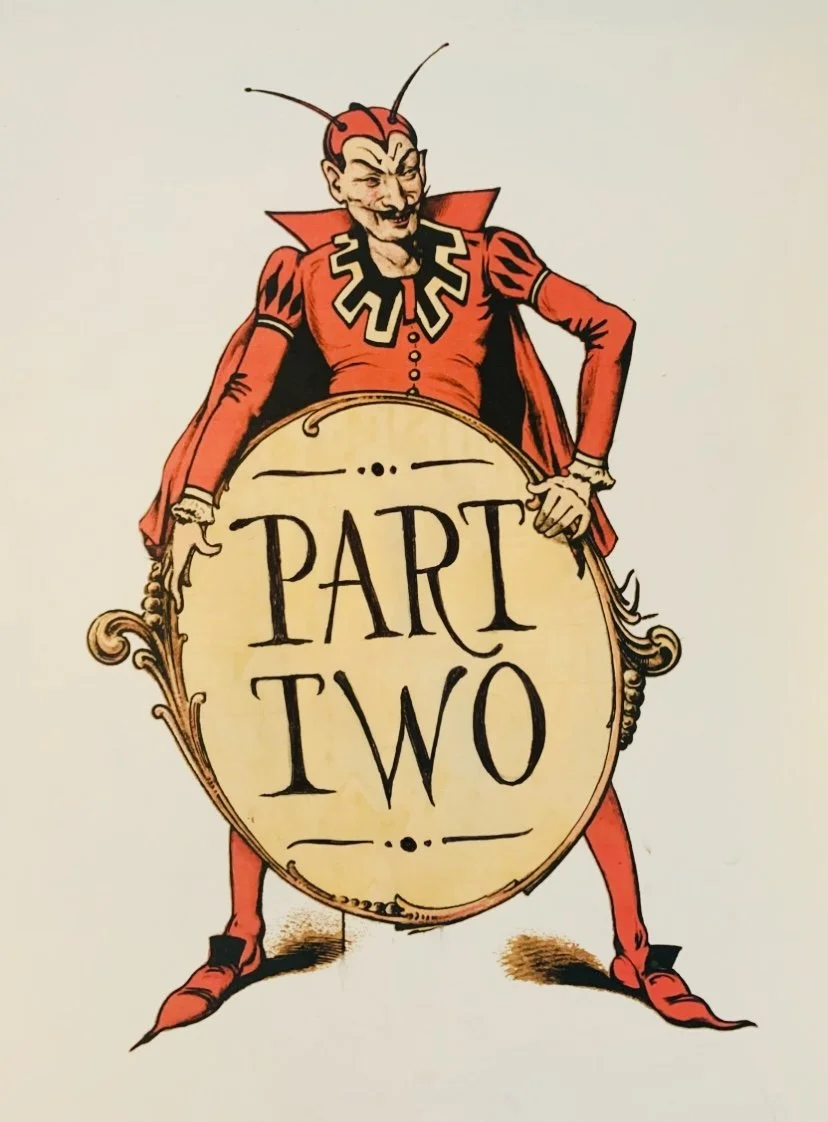
In addition to Frankenstein, the story of Faust also had a major influence on another classic work of gothic fiction, namely Bram stokers Dracula. Stoker had been interested in the Faust tale for some time, but this interest was heightened when he became involved in a production of the play at the Lyceum theatre in London, where he worked as a manager. The play starred his employer, the celebrated victorian actor Henry Irving as Mephistopheles and was a huge success, drawing in large crowds with it’s spectacular sets and special effects.
This production of Faust seems to have influenced the novel Dracula not only in terms of it’s imagery and themes of temptation, but in addition there are many who believe Henry Irving, a dominating and striking figure prone to egotism, may have been the inspiration for Count Dracula himself. Stokers relationship with Irving had something of a faustian quality, with Stoker being dazzled and selflessly devoted to Irving despite his employers egotism and manipulative personality. It’s possible that seeing Irving as Mephistopheles in the 1882 stage version, may have fuelled the fires of Stokers imagination.

“Every noticeable historical era will have its own Faust’
-Soren Kierkergard
Throughout the late 19th and 20th-century the Faust story continued to be retold in many different forms, Oscar Wilde’s a picture of Dorian Gray contains strong Faustian elements, particularly when the character says ‘To be forever young, I would give my soul for that’.
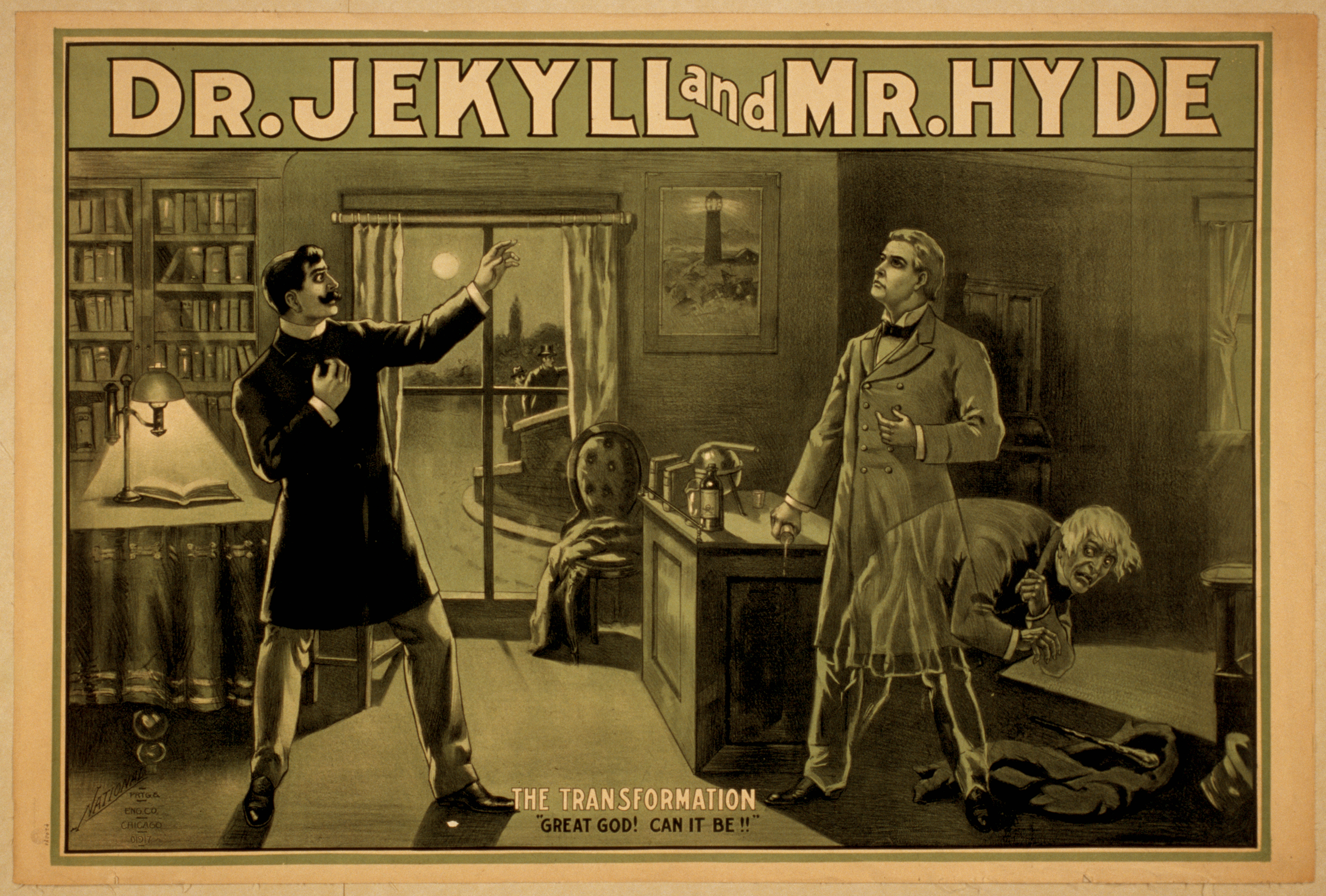
Robert Louis Stevenson also provided two highly Faustian stories, his short story ‘The Bottle Imp, tells the tale of a bottle containing an imp that grants wishes, but the owner must sell it before they die or face eternal damnation. Stevensons story the strange case of Dr Jekyll and Mr. Hyde also resonates with the Faust myth and explores similar themes to Mary Shelley’s Frankenstein. Much like Faust, Dr Jekyll is a scholarly and learned individual, seeking to explore dangerous knowledge beyond human constraints, and he makes a ‘Faustian' bargain with science, and pays the ultimate price. The story penetrates the divided self at the heart of the human condition, Dr Jekyll is torn between his civilized self and his animalistic self, in the form of Mr Hyde. Faust is faced with a similar internal battle, torn between moral responsibility, and the seductive temptations of carnality and forbidden knowledge.
In the world of music, Faust also commonly appears- in opera, in both Berlioz and Gounod’s great works as well as symphonic works by Liszt, Stravinsky and many others.
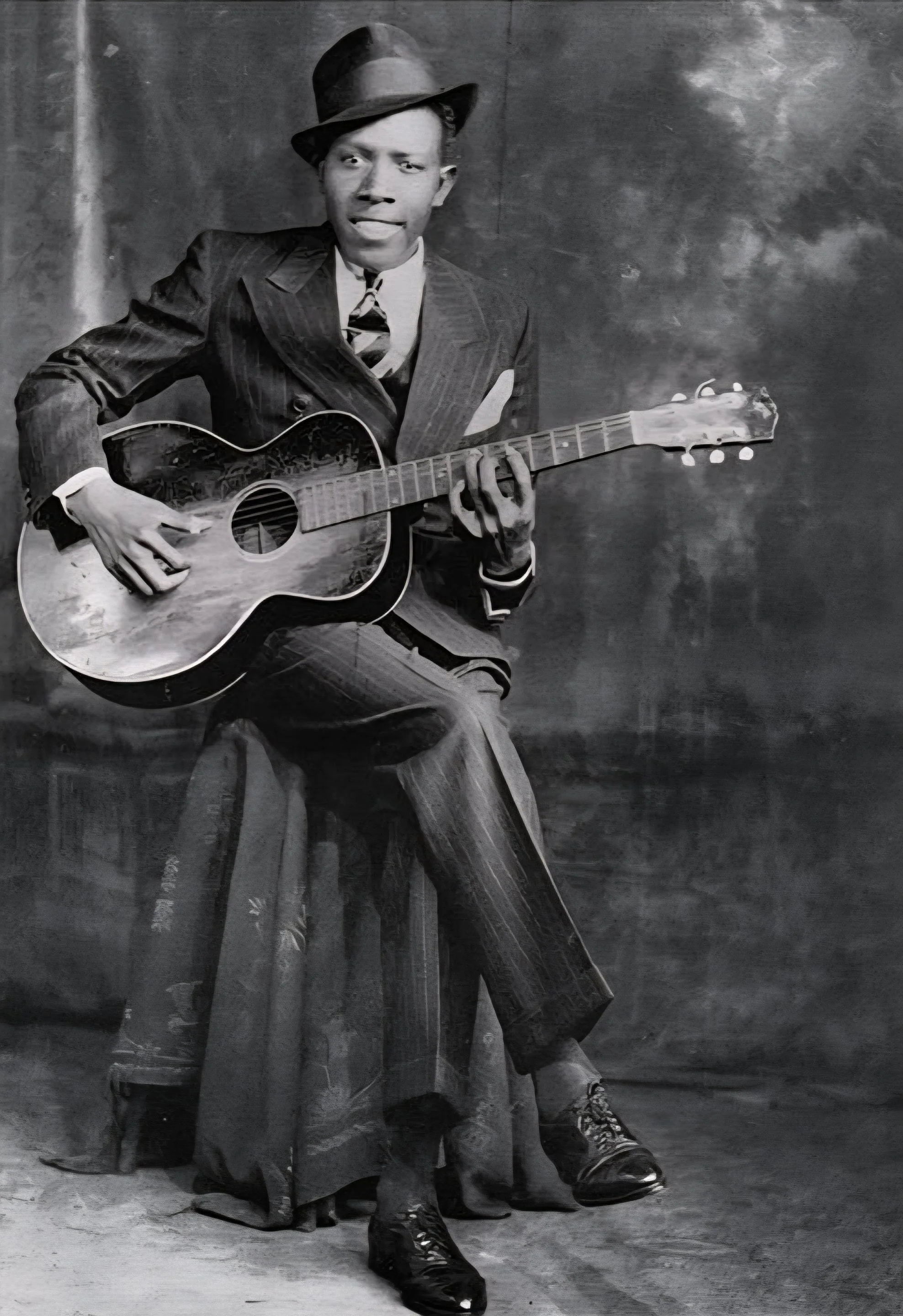
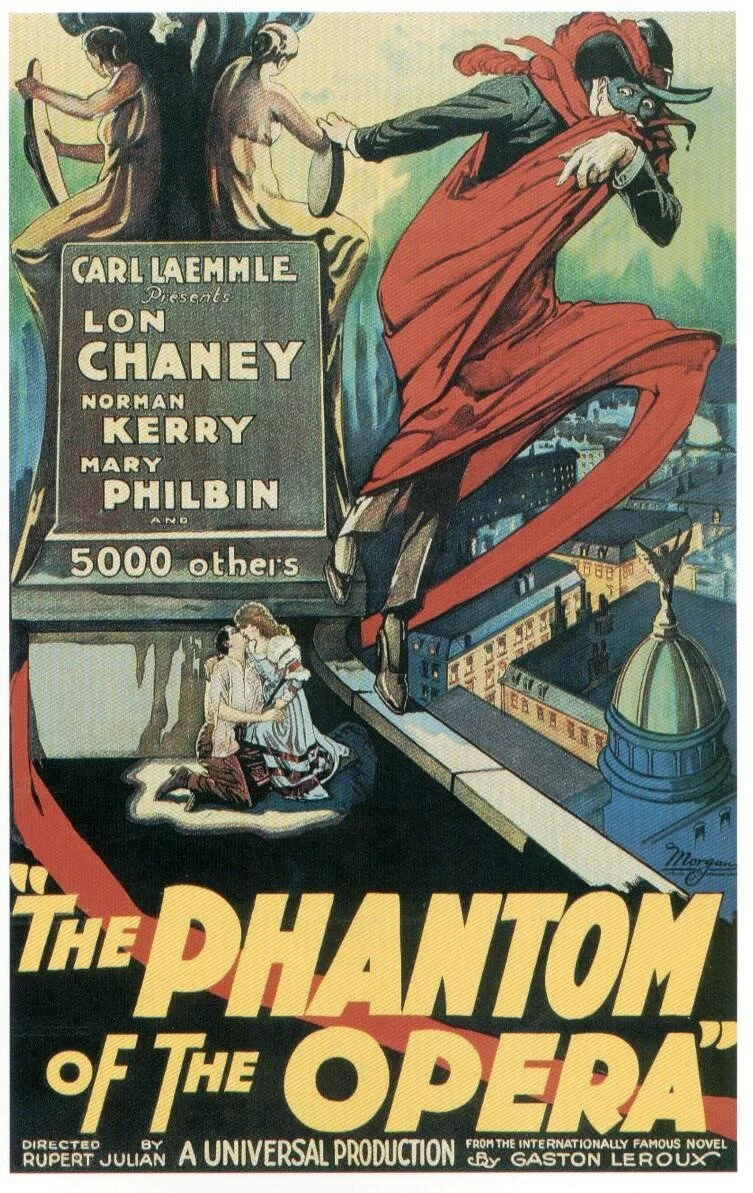
There is also the legend of the famous bluesman Robert Johnson, who was said to have sold his soul to the devil at the crossroads in exchange for fame and success. ‘The Phantom of the Opera’ also has many Faustian themes.
Further on through 20th century literature Faustian themes emerge again and again, there’s ‘The Devil and Daniel Webster’ the 1936 short story by Stephen Vincent Bennett, about a farmer who does a deal with the devil who identifies himself as ‘Mr Scratch’. This was was eventually turned into the cartoon ‘The Devil and Daniel mouse’ which then ended up being sampled by the Goth rock band Bauhaus for their 1982 song ‘Party of the first part’.
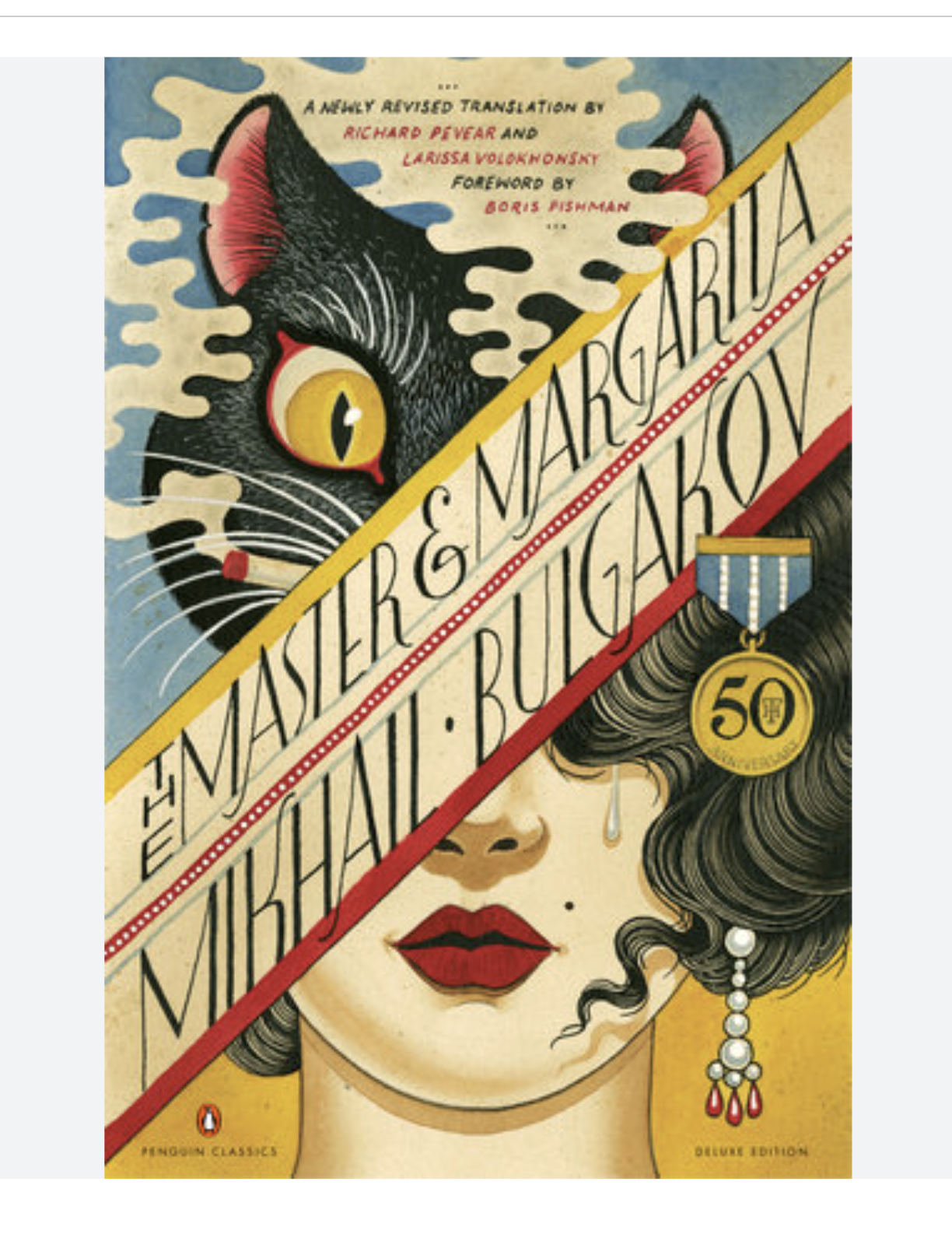
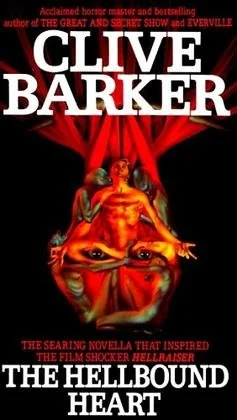
There’s also the novel ‘Master and Margarita’ by Mikhail Bulgakov which partly inspired the Rolling Stones song ‘Sympathy For The Devil’. There is also Willam Hjortsbergs Falling Angel, and Clive barkers Damnation Game, Hellbound heart, and many more.